Discover Strict Saudi Rules: Avoid Huge Fines and Deportation Now
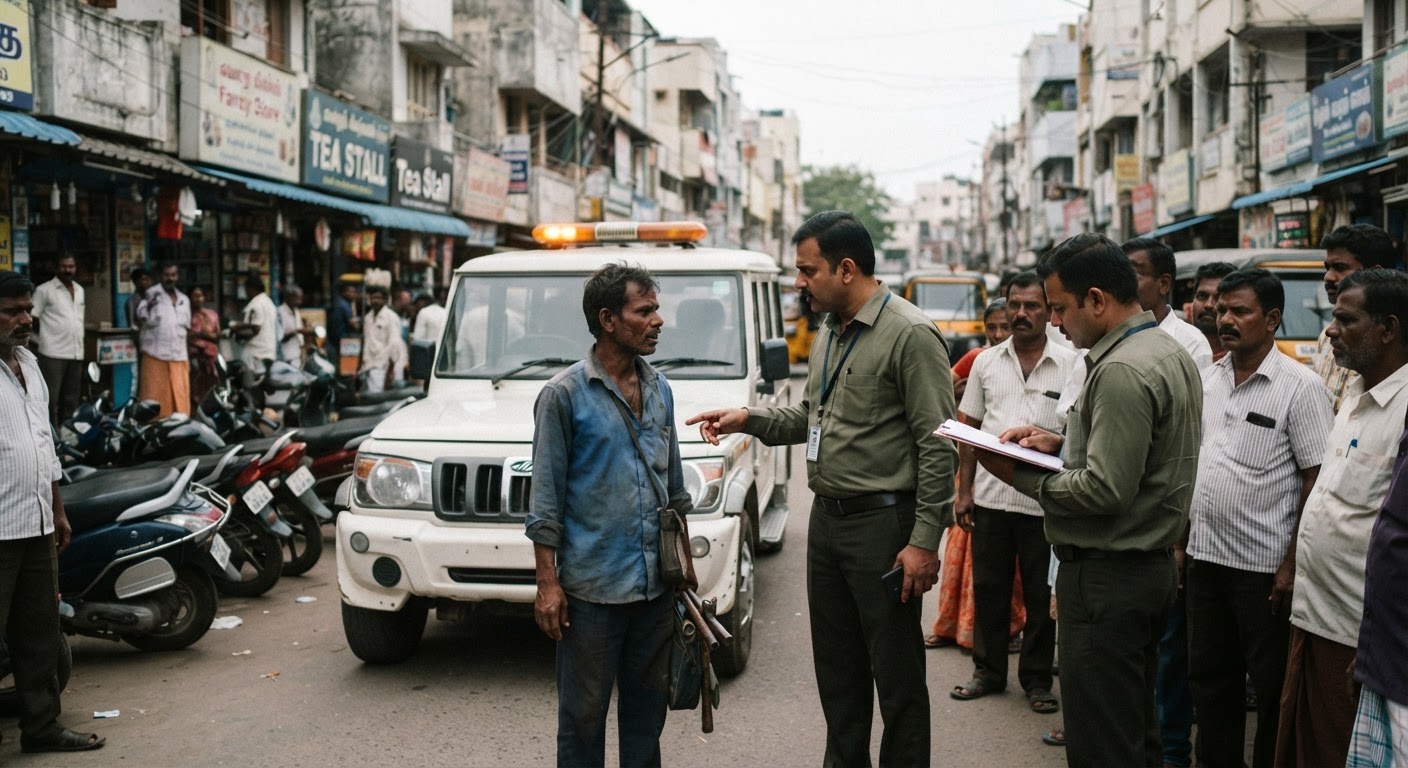
The Saudi Arabian Ministry of Interior has issued a stern warning to expatriate workers regarding the prohibition of working outside their authorized employment framework. Engaging in unauthorized labor or operating on one's own account constitutes a violation of residency and labor regulations. Offenders face severe penalties including fines of up to 50,000 Saudi Riyals, imprisonment for up to six months, and deportation. This directive specifically targets expatriates working independently of their official sponsors or employers, including those operating under so-called free visa arrangements.
- First offense carries a penalty of 10,000 Riyals and deportation.
- Second offense is punishable by a 25,000 Riyal fine, one month of imprisonment, and deportation.
- Third or subsequent violation increases the penalty to 50,000 Riyals, six months of imprisonment, and deportation.
- Violations can be reported by calling 911 in Makkah, Madinah, Riyadh, and the Eastern Province, and 999 in all other areas.
Details of the Penalty List
According to the penalty list published by the Indian Embassy in Riyadh, the first offense carries a penalty of 10,000 Riyals and deportation. A second offense is punishable by a 25,000 Riyal fine, one month of imprisonment, and deportation. For a third or subsequent violation, the penalty increases to 50,000 Riyals, six months of imprisonment, and deportation. In an announcement issued on August 24, the Ministry emphasized that all expatriates must strictly adhere to residency, labor, and border security regulations. Violations can be reported by calling 911 in the regions of Makkah, Madinah, Riyadh, and the Eastern Province, and 999 in all other areas.
Consequences for Businesses and Sponsors
The regulatory consequences also extend to individuals or establishments that permit expatriates to work on their own accounts, employ workers outside their legal sponsorship, or facilitate these violations. Such entities face penalties including fines, imprisonment, and bans on recruitment.
Advice for Workers
With a large number of Indian workers employed in sectors such as construction, driving, retail, hospitality, domestic service, and technical fields, authorities advise verifying residency status, work permits, and employment contracts before accepting additional work. The Ministry reiterated that private verbal agreements or informal arrangements do not provide legal protection and that workers must confirm their status through official government platforms to avoid severe punitive actions.